Published 2026-07-09
EVA foam or wood? Choosing the material for a teaching aid
Wood photographs beautifully and carries a Montessori signal. EVA foam is quieter, lighter, cheaper to ship and harder to break. The right answer depends on the classroom, not the catalogue photo.
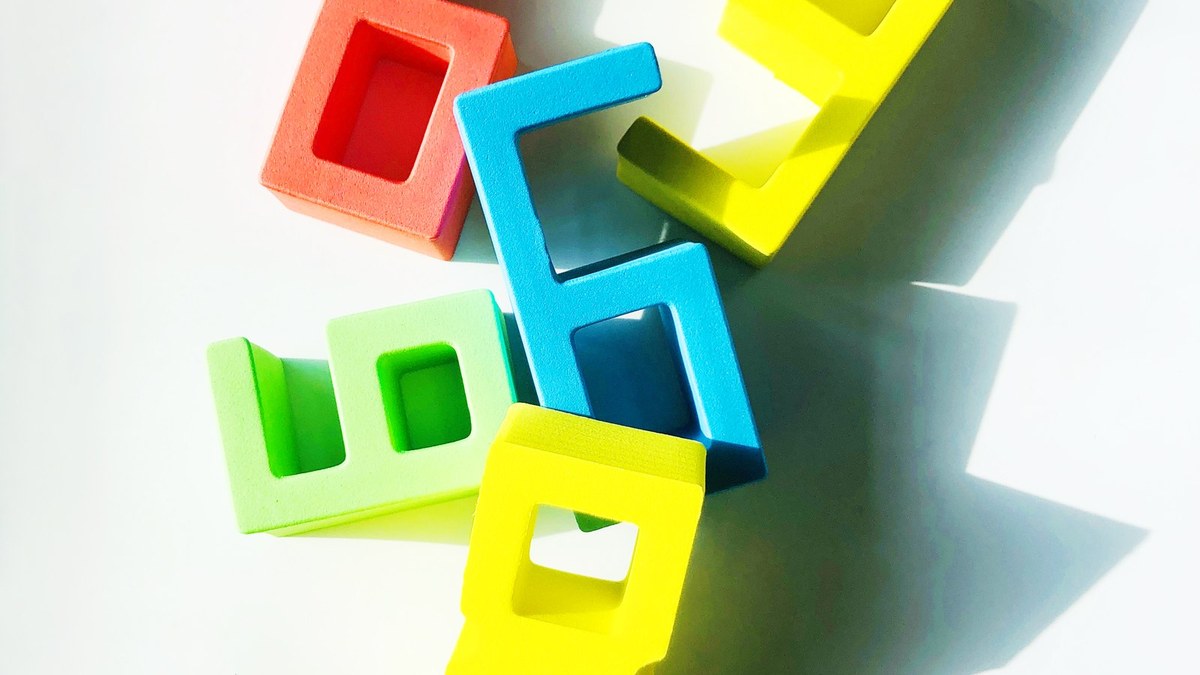
EVA foam suits classroom manipulatives that are handled by many children daily — it is quiet on desks, light to ship, non-splintering, water-resistant and inexpensive to tool. Wood suits products where perceived quality drives the purchase, such as Montessori-positioned and gift lines, and where weight and durability are advantages. Most catalogues need both.
The case for EVA foam
Foam wins on the practical measures that matter in a working classroom. It is quiet — thirty children dropping foam tiles is a different experience from thirty children dropping wooden ones. It is light, which shows up directly in freight cost on a full container. It does not splinter, does not absorb spills, wipes clean, and takes a magnet cleanly on the back.
Tooling is cheap relative to wood, because a cutting die costs a fraction of what a moulding or milling setup does. That matters most on products where you expect to iterate — new letter groupings, new shapes, a market-specific variant.
The case for wood
Wood carries a signal that foam does not. In the Montessori and natural-materials segment, the material is part of the proposition, and buyers in that segment will not accept foam at any price. It photographs better, it feels more substantial in the hand, and it survives being stood on.
It also holds tolerances that foam does not. Where a product depends on pieces fitting precisely — a hundred board with seated pegs, a spinner with concentric wheels — wood or moulded plastic is the honest choice.
How to decide
- Who handles it daily? Many children in rotation favours foam. One child at home favours wood.
- Does it get wet? Bath, sand tray and water play rule out wood.
- Is precision structural? Interlocking or seated components favour wood or moulded plastic.
- What is the retail price band? Foam supports the classroom-pack price point; wood supports the gift price point.
- What does the segment expect? Montessori-positioned buyers expect natural materials, and will read foam as a downgrade regardless of function.
The third option people forget
Translucent acrylic and polystyrene sit between the two and do something neither can: they pass light. On a light table, translucent number blocks make quantity visible in a way an opaque block cannot, and the same set works as an ordinary manipulative when the light table is off.
It is a narrower use case, but for maths manipulatives aimed at early number sense it is often the strongest of the three.
Mixing materials in one programme
Most complete programmes end up mixed — foam letters, a printed card deck, a PP storage box, sometimes a wooden tray. Sourced from separate suppliers that means separate minimums, separate inspections and a consolidation problem. Sourced from a group that runs foam, print, plastic and wood together, it is one order and one inspection.